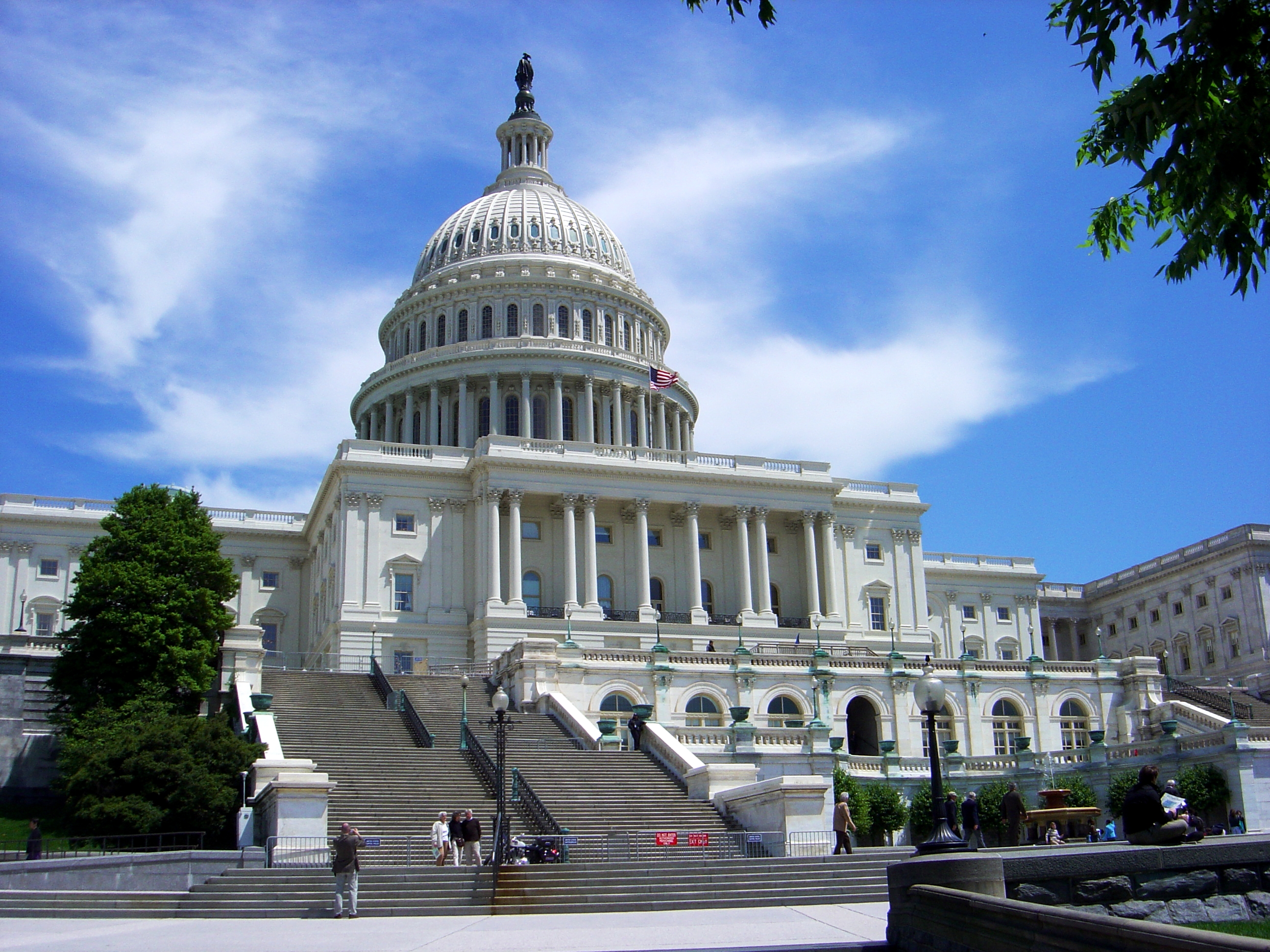
Congress API
The United States Congress now presents an API to the webverse. First the Obama admin opened Data.gov which offers a limited number of government datasets for download in various formats (CSV, XML, etc) ... e.g., the residential energy consumption survey is here . Now MAPLight.org (Money And Politics, get it?), a nonpartisan, nonprofit organization based in Berkeley, California has set out "to illuminate the connection between Money and Politics (MAP) using a groundbreaking database of campaign contributions and legislative votes".
The following is culled from a MAPLight press release:
The Congress API allows programmers and other websites to easily show, in their own programs and websites, whether companies like ExxonMobil or interest groups like the Sierra Club support or oppose key legislation. ...
MAPLight.org’s API provides data on which special-interest groups support or oppose key bills. MAPLight.org’s researchers gather this support and opposition data from public-record sources: testimony at Congressional hearings, news articles and public statements of trade associations and other interest groups. The API, updated daily, provides access to interest-group positions for the current session of Congress (111th), the 2007-2008 Congress (110th), selected bills from the 109th Congress, and the California State Legislature (2003-2004).
Using the API requires enough programming knowledge to be able to parse JSON or XML. For more information visit: http://maplight.org/api_about.
Non-programmers may also be interested in the Money and Votes Widget, which displays the amount of contributions received from organizations that supported and opposed a given bill. To create a widget for a bill, first find a bill, select the Votes tab, then select Widget; this provides an interface where you can customize the widget and embed it in a website or blog.
This sounds like fun. A few enterprising Flash programmers could create an animation so when you go to check on the correlation between your congress-critter's votes and contributors' largesse, the anim stands erect or bends over as circumstances indicate. Perhaps as s/he takes more and more contributions from a particularly noxious interest group, say the Oppressive Dictators of the Oil Exporting Developing Nations PAC, the image of the elected official can be fancied up with a red dress and a large purse.
The possibilities are endless. And you thought we had reached the limit on the Internet's ability to chronicle political malfeasance and nonfeasance!